An NDIS dietitian can help when a disability affects how someone eats, swallows, grows or manages their health. If you or your child has an NDIS plan, dietitian support may be funded. This guide explains what an NDIS dietitian does, what’s typically funded and how to get started at our Bankstown and Parramatta clinics.
What does an NDIS dietitian do?
A dietitian is a university-qualified nutrition professional. Under the NDIS, a dietitian works with participants whose disability affects their nutrition. That might include:
- Restricted or selective eating linked to autism or sensory needs
- Difficulty gaining or maintaining a healthy weight
- Texture-modified diets for people with swallowing difficulties
- Tube feeding plans and reviews
- Nutrition support for related health conditions, such as constipation or bone health
Is dietitian support funded by the NDIS?
Dietitian support can be funded under Capacity Building supports, usually Improved Daily Living, when it relates to the participant’s disability and plan goals. Your plan and goals decide what is funded, so it’s worth checking with your support coordinator or plan manager.
Funding may cover:
- An initial assessment
- A written mealtime or nutrition plan
- Review appointments
- Training for family members and support workers
- Reports for NDIS plan reviews
Read more on the NDIS website or see our guide to understanding the NDIS.
What to expect at your first appointment
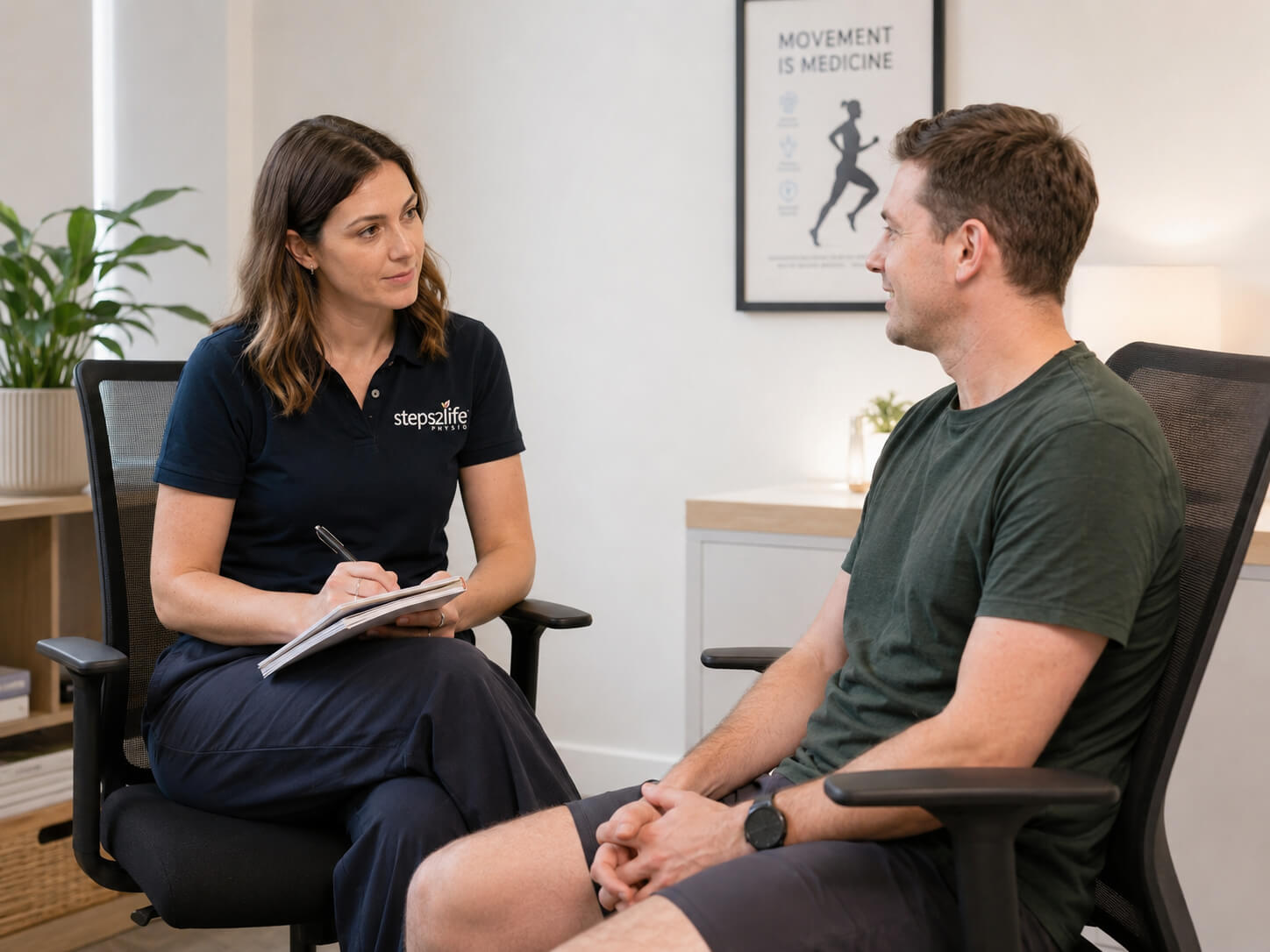
Your dietitian will ask about current eating habits, medical history, growth, medications and daily routines. Bring any recent reports, a list of foods eaten in a typical day, and your NDIS plan if you have one. Together you’ll set practical goals, and your dietitian will work with other team members, like a speech pathologist or OT, where needed.
Not on the NDIS?
You can still see a dietitian. A GP may refer you under a Chronic Condition Management Plan for Medicare rebates, and many private health insurance extras policies include dietetics. See Medicare and allied health for details, or learn more about the profession from Dietitians Australia.
Signs a dietitian could help
- Eating a very limited range of foods, or foods dropping off the list
- Concerns about weight, growth or energy from your GP or paediatrician
- Coughing, gagging or long, stressful mealtimes
- Ongoing constipation or other gut issues
- Needing a texture-modified diet or tube feeding plan
- Support workers or family needing guidance on safe, consistent meals
Working with your support team
Nutrition goals work best when everyone is on the same page. With your consent, your dietitian can share a clear mealtime plan with family, support workers, schools or group homes. For people with swallowing difficulties, they often work closely with a speech pathologist, and for sensory-based eating challenges, with an occupational therapist.
Tips for getting the most from NDIS dietitian funding
- Include nutrition-related goals in your NDIS plan, such as “eat a wider range of foods” or “maintain a healthy weight”.
- Ask your dietitian for a report before your plan review.
- Book review appointments so the plan keeps up with changing needs.
Common questions about NDIS dietitian support
Do I need a referral? Not for NDIS-funded sessions, though a GP letter can help your dietitian understand your health history.
Can an NDIS dietitian visit at home? Home visits may be available where suitable, which can help when mealtimes are best seen in their usual setting.
How many sessions will I need? It depends on your goals. Some people need a short block of sessions and a plan; others benefit from regular reviews over the year.
Can you write reports for my plan review? Yes. Your dietitian can prepare a progress report with recommendations for your next NDIS plan.
More questions about NDIS dietitian support

What does an NDIS dietitian help with?
An NDIS dietitian can help with nutrition needs related to a person’s disability, such as restricted or selective eating, weight changes, swallowing difficulties alongside a speech pathologist, enteral (tube) feeding, constipation, and planning meals that fit sensory preferences, routines and budgets. Support is tailored to the participant’s goals and daily life.
Which part of my NDIS plan pays for a dietitian?
NDIS dietitian support is usually funded from the Capacity Building budget, often under Improved Daily Living. Your plan, support coordinator or plan manager can help confirm what is available. For official information about plans and budgets, visit the NDIS website.
What should I bring to the first appointment?
It helps to bring your NDIS plan details, a list of current medications and supplements, any recent reports or blood test results, and a rough record of what is eaten over a few days. If a carer or family member helps with meals, they are welcome to come along too.
How often will we see the dietitian?
Most people start with an initial assessment followed by regular reviews, which may be more frequent at the beginning and then spaced out as goals are met. Your dietitian will agree on a plan with you and can provide progress reports to support future plan reviews. Our dietetics service is available at our Bankstown and Parramatta clinics.
Key takeaways

- NDIS dietitian support helps with disability-related nutrition needs such as selective eating, weight changes, tube feeding and meal planning.
- It is usually funded through the Capacity Building budget, often under Improved Daily Living.
- Bring your plan details, medications and a short food record to the first appointment.
- Your dietitian can write progress reports to support plan reviews.
- Steps2Life offers dietetics at our Bankstown and Parramatta clinics.
NDIS dietitian support in Bankstown and Parramatta
Steps2Life dietitians see children and adults at our Bankstown and Parramatta clinics, with home and telehealth options where suitable.
To get started, book online, send a referral or call 1300 009 006.