
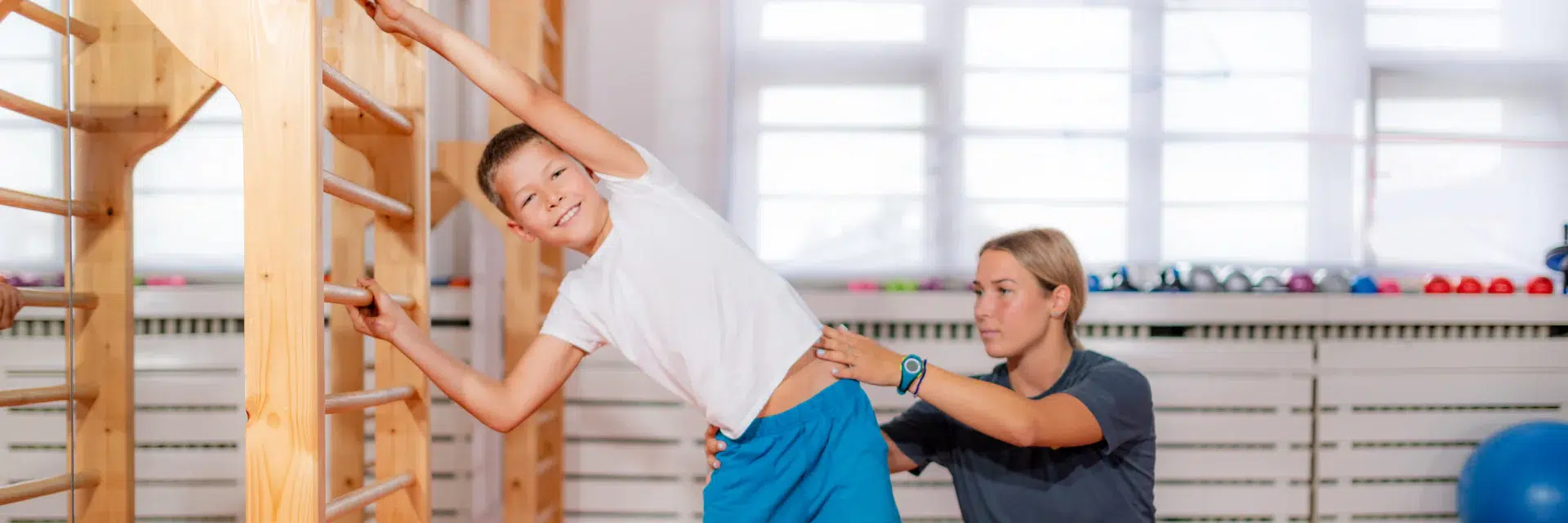
Occupational Therapy (OT) plays a crucial role in helping people of all ages engage in daily activities that matter most to them. Whether it’s mastering a new skill, overcoming challenges, or building independence, OT offers practical tools and strategies that can make a real difference.
In this post, we’ll explore simple OT activities you can try at home and key skills to help children prepare for school with confidence.
Home-Based OT Activities You Can Try Today
Incorporating OT principles into everyday life doesn’t have to be complicated. Here are some simple, fun, and effective activities that can help improve motor, cognitive, and social skills right from the comfort of your home.
1. Fine Motor Fun
Strengthen hand coordination and control by using small objects like beads, buttons, or Lego pieces. These activities are perfect for kids developing pencil grips or adults needing to refine their motor skills.
2. Sensory Exploration Box
Create a sensory box with materials like rice, beans, or foam to encourage tactile exploration. It’s a soothing activity that helps individuals with sensory sensitivities become more comfortable with different textures.
3. Get Creative
Art activities such as drawing, painting, or crafts like knitting are not only relaxing but also fantastic for enhancing creativity, hand-eye coordination, and stress relief.
4. Balance Boosters
Simple balance exercises—like standing on one leg or using a balance cushion or yoga ball—can improve core strength and prevent falls. These are especially helpful for older adults.
5. Turn Everyday Tasks Into Therapy
Even household chores can double as therapeutic exercises! Cooking, folding clothes, or gardening build motor skills and foster a sense of independence.
Key Skills for School Readiness
For children preparing to start school, OT can help develop essential skills to ensure they feel confident and ready to embrace the classroom environment.
1. Fine Motor Skills
Activities that build skills like holding a pencil, cutting with scissors, or using small tools lay the groundwork for writing and creative tasks.
2. Gross Motor Skills
Running, jumping, balancing—these aren’t just playtime activities. They enhance physical coordination and give kids the confidence to navigate school playgrounds and classrooms.
3. Daily Independence
From dressing themselves to packing their school bag and using the restroom independently, these routines are key to building self-reliance.
4. Sensory Processing
School environments can be sensory-rich, with bright lights, loud noises, and bustling activity. OT can help children adjust and process these sensory inputs without feeling overwhelmed.
5. Focus and Endurance
The ability to concentrate and complete tasks is critical in a classroom setting. Puzzles, problem-solving games, and endurance-based activities can help children stay engaged and productive.
OT at Home: Small Changes, Big Impact
Occupational Therapy is about making life easier and more enjoyable, no matter the challenges. Whether you’re supporting a child preparing for school or exploring ways to improve daily activities at home, these strategies offer practical solutions that work.
Ready to learn more about how OT can help you or your loved ones? Visit our Occupational Therapy page to explore our services or contact us today to speak with our friendly team.
We’re here to help you take the next step toward a more independent and fulfilling life!
Simple OT activities by daily routine
OT activities work best when they fit into the moments your family already has each day, rather than adding another task to a busy schedule. A few minutes of focused practice, repeated often, is usually more useful than one long session once a week.


Morning routines
Getting dressed is a natural chance to practise fine motor and planning skills. Let your child try buttons, zips and socks with extra time built in, and lay clothes out in order so they can follow the sequence on their own. Visual checklists with pictures can help children who find it hard to remember each step.
Mealtimes
Spreading, pouring, cutting soft food and opening containers all build hand strength and coordination. Children can also help set the table, which supports counting, matching and following instructions.
After school and play
Playdough, threading beads, cutting with child-safe scissors and drawing on a vertical surface are easy OT activities for strengthening small hand muscles. Climbing, ball games and obstacle courses at the park support balance, body awareness and attention.
Wind-down time
A predictable evening routine with calm activities, such as puzzles, colouring or a warm bath, can help children who find transitions difficult. If your child has sensory sensitivities, an occupational therapist can suggest strategies that suit their needs. Learn more about our occupational therapy services or how NDIS funding can cover OT.
How often should we practise OT activities?
Short, regular practice is usually more effective than long sessions. Many families find that two or three five-minute OT activities spread across the day are easier to keep up than a single half-hour block. Keep activities playful, stop before your child becomes frustrated, and celebrate effort rather than perfect results. If an activity feels too hard, make it smaller or easier and build up gradually.

Your occupational therapist can show you how to adjust OT activities as your child’s skills grow, and share progress ideas with teachers or carers so the same strategies are used at home, at school and in the community.
Related reading: for seasonal ideas you can use at home, see our 5 occupational therapy tips to support your child’s transition into autumn.
Choosing OT activities for your child
The best OT activities are short, fun and matched to your child’s current skills. Start with something achievable, then make it a little harder as confidence grows. Threading beads, playdough, obstacle courses and helping with simple chores can all build coordination, attention and independence.
If you are not sure which OT activities suit your child, an occupational therapist can assess their strengths and needs and suggest ideas for home and school. Our team in Parramatta, Bankstown and Penrith can help you build a routine of OT activities that feels manageable for your family.
For more information, visit Occupational Therapy Australia.


